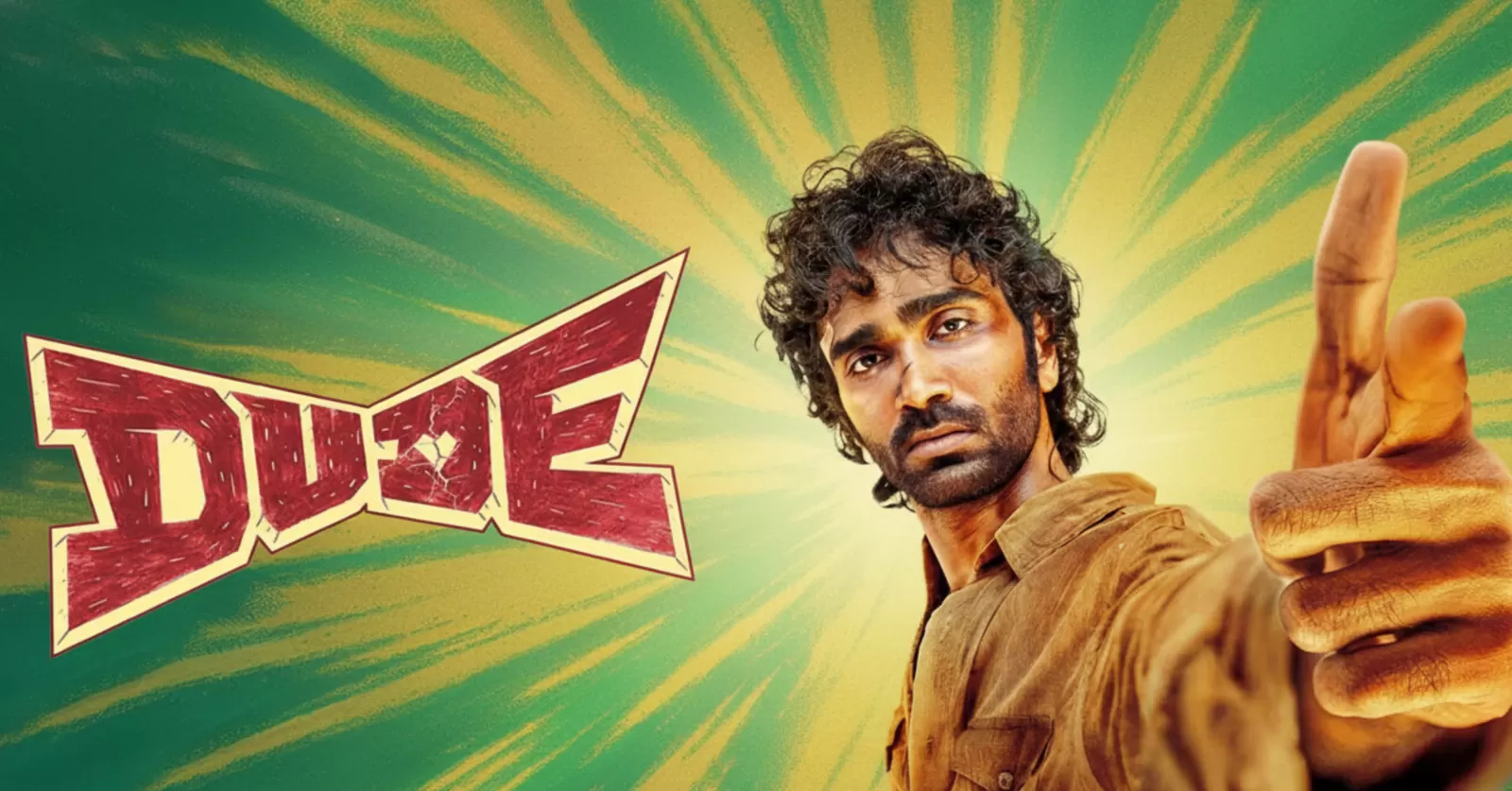
Dude Movie Review: Quiet Moments and the Weight of Teenage Grief
Dude does not begin with tragedy announced out loud. It arrives indirectly, through pauses, half-finished sentences, and the awkward way teenagers avoid naming what hurts most. The film understands something many coming-of-age stories miss. Grief at that age is rarely dramatic. It is confusing, inconvenient, and often invisible.
Rather than pushing its characters toward catharsis, Dude stays with their discomfort. It observes how loss reshapes routine, friendships, and identity, not through confrontation, but through the quiet erosion of certainty. This is a film that trusts silence to carry weight.
A Surface Story That Feels Familiar
On the surface, Dude follows a recognizable teenage framework. Friends navigating school, fractured families, and the pressure to grow up faster than they are ready for. There are moments of humor, casual rebellion, and restless energy.
But the film never lets this structure take control. These elements remain background. What matters is not what the characters do, but what they cannot say. The story resists clean arcs, reflecting how adolescence often feels unresolved and incomplete.
Grief as an Unspoken Presence
The emotional core of Dude is grief without a clear outlet. Loss arrives early, but the film refuses to frame it as a single turning point. Instead, grief becomes ambient. It lingers in classrooms, bedrooms, and ordinary conversations.
Each character carries pain differently. One avoids stillness. Another hides behind humor. A third withdraws altogether. None of these responses are judged. The film recognizes that teenagers often lack the language to process loss, let alone share it.
This approach aligns with films like Andondittu Kaala, where emotional weight accumulates slowly rather than exploding outward. In both stories, time becomes the quiet antagonist.
A Moment That Shifts the Emotional Balance
There is a scene where the characters are together, physically close but emotionally distant. A conversation drifts toward their shared loss, then turns away just before it becomes honest. No one presses further.
The moment matters because it exposes a shared fear. Speaking openly might change everything. It might reveal how differently each of them is coping. Silence, however painful, feels safer.
The film treats this avoidance with compassion. It does not demand emotional maturity from characters still learning how to exist within themselves.
Friendship Without Sentimentality
Unlike many teen films, Dude does not idealize friendship. The bonds are real, but fragile. Support exists, but it is inconsistent. Characters fail each other often, not from cruelty, but from exhaustion.
Moments of connection are brief and sometimes awkward. A shared laugh. A quiet drive. A look that acknowledges pain without naming it. These small gestures carry more weight than grand declarations.
This restrained portrayal echoes the emotional honesty of Ikk Kudi, where resilience is communicated through endurance rather than triumph.
The Fear of Moving Forward
What makes Dude quietly devastating is its understanding of forward motion as a threat. For these characters, growing up feels like a betrayal of what was lost. Moving on can feel dangerously close to forgetting.
The film shows how grief can freeze identity. Characters hesitate to imagine futures because the past remains unresolved. Ambition gives way to survival.
This hesitation is not framed as weakness. It is presented as a natural response to emotional disruption at a formative age.
Why the Film Resonates So Deeply
Dude resonates because it avoids spectacle. There is no dramatic reckoning where everything is spoken and healed. Instead, the film allows its characters to remain in emotional limbo.
Viewers who experienced loss early often recognize this space. Life continues, but something essential has shifted beneath the surface.
By refusing to resolve grief neatly, the film respects its complexity.
Divided Audience Reactions
Some viewers appreciate the film’s restraint and emotional honesty. They see themselves reflected in unfinished conversations and unresolved feelings.
Others find the pacing too subdued, expecting clearer progression or release. The absence of a traditional payoff can feel frustrating.
Both reactions make sense. The film is not designed to satisfy expectations. It is designed to observe.
Final Reflection
Dude is not about overcoming grief. It is about learning how to carry it.
The film suggests that healing is not a destination, especially in adolescence. It is a series of small adjustments, quiet acknowledgments, and imperfect connections.
When the film ends, nothing feels resolved. And that is its honesty. Some losses do not disappear. They simply become part of who we are.
Editorial note: This review is an original interpretive analysis by the Indian Decisions editorial team, focused on theme, character behavior, and emotional subtext.