
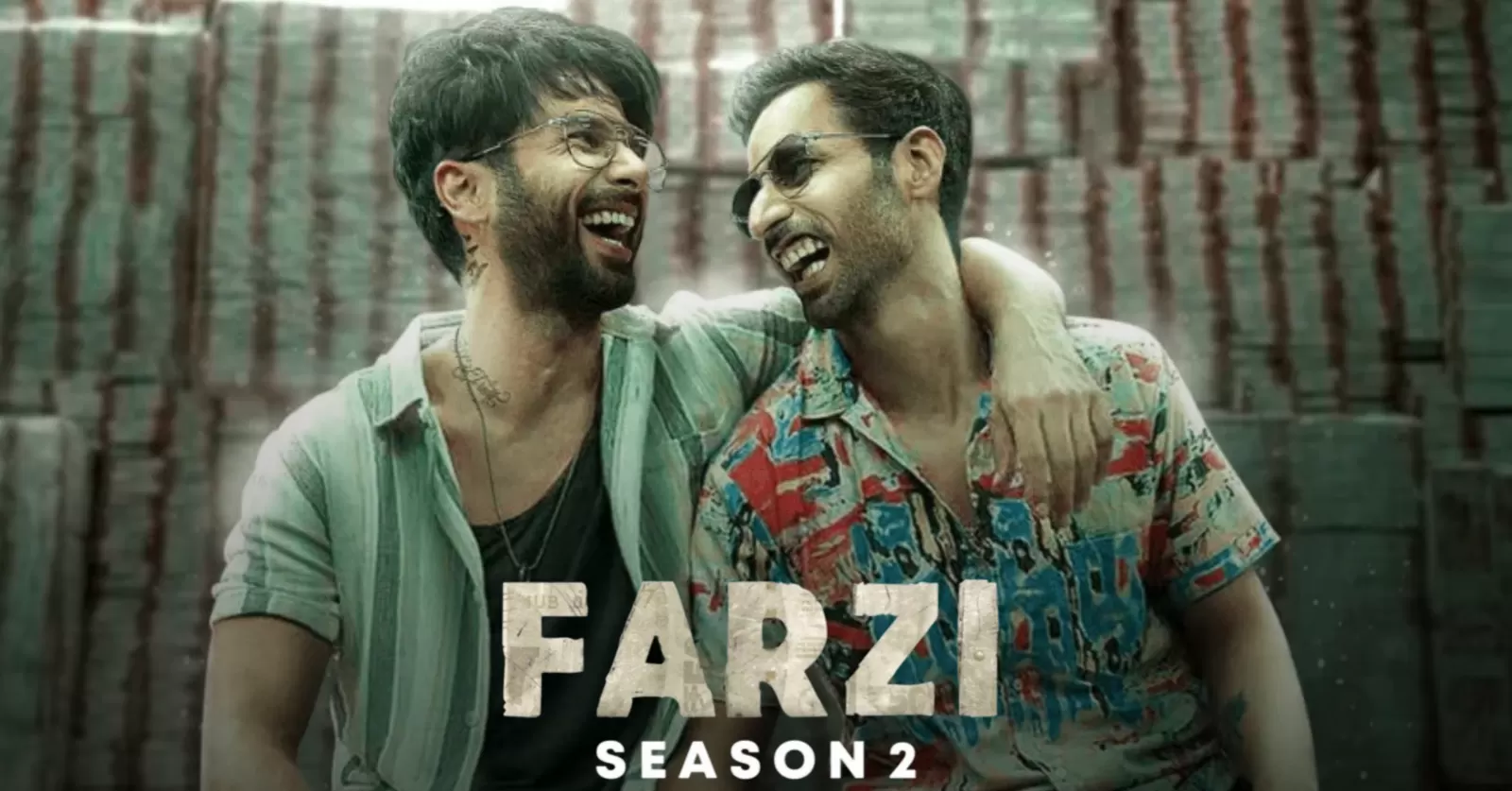
When Farzi first arrived, it carried the confidence of a show enjoying its own intelligence. The pleasure came from watching sharp minds stay a step ahead, bending systems without appearing to break themselves in the process. It was stylish, mischievous, and deliberately seductive. Season 2 arrives with a very different energy. The cleverness remains, but the joy has thinned. What once felt like play now feels like obligation.
From its opening moments, Farzi Season 2 signals that this is no longer a story about how far intelligence can take you. It is about what intelligence demands in return. The series slows down, peers inward, and asks uncomfortable questions about identity, control, and the quiet exhaustion that follows sustained brilliance.
A World That No Longer Feels Temporary
Season 2 begins with the unspoken understanding that nothing here is temporary anymore. The schemes are not experiments. The risks are not theoretical. Everyone involved knows that the game has roots now, and pulling away would cause real damage.
The counterfeit operation continues, but it no longer carries the thrill of novelty. Each move feels rehearsed, necessary, and heavy with consequence. Law enforcement, too, operates under the strain of prolonged pursuit. What once felt like a contest of wit has hardened into routine pressure.
This shift in tone is subtle but decisive. The show trades spectacle for weight, asking viewers to sit with discomfort rather than rush toward payoff.
Beyond Crime: A Study of Consequence
On paper, Farzi Season 2 is still a crime thriller. There are investigations, counter-moves, surveillance, and strategic deception. Yet the series seems less interested in how crimes unfold and more interested in what they leave behind.
The central theme is consequence, not as punishment, but as accumulation. Emotional residue builds quietly. Trust erodes. Relationships bend under pressure. Intelligence, once a source of freedom, begins to resemble a trap.
The show makes a pointed observation: outsmarting the system does not mean escaping it. Often, it simply means becoming entangled in a more complex version of the same cage.
The Moment That Changes Everything
Midway through the season comes a moment that captures its core philosophy. A plan unfolds exactly as intended. No errors. No interference. It should feel triumphant.
Instead, it lands with emptiness. The characters exchange looks rather than words. There is no celebration, only recognition. Success has stopped feeling like success.
The power of this scene lies in its restraint. There are no dramatic speeches or explosive consequences. Just silence, and the growing realization that victory now extends the burden rather than relieves it.
Intelligence as Isolation
Season 2 places particular focus on a character whose defining trait has always been intelligence. In earlier episodes, this quality felt like armor. Now it feels like distance.
What the character wants has changed. Wealth and validation hold less appeal than anonymity and rest. Yet stepping away feels impossible. The identity built around cleverness has become too central to abandon.
The fear is not failure. It is emptiness. Without the game, without the calculations, who are they?
The series approaches this question with empathy. It does not condemn intelligence, but it refuses to romanticize it. Brilliance is shown as something that demands stewardship, not indulgence.
Law Enforcement Without Simplification
One of the season’s strengths lies in how it treats law enforcement. Investigators are not framed as blunt obstacles or moral absolutes. They are tired, driven, and deeply aware of the damage clever crimes can cause.
At the same time, authority is shown to have its own limits. Procedures create safety, but they also create distance. The human cost of enforcement is not ignored.
This balance prevents the story from collapsing into heroes and villains. Everyone operates within constraints, and everyone pays a price.
A Slower Rhythm With Purpose
Viewers expecting the restless pace of the first season may feel unsettled by Season 2’s restraint. Scenes breathe longer. Conversations linger. Silence is allowed to speak.
This pacing reflects the mental state of the characters. Decisions are no longer impulsive. Every choice carries history.
The show trusts its audience to engage without constant stimulation. For some, this will feel demanding. For others, it will feel rewarding.
Why the Shift May Divide Audiences
There is no denying that Farzi Season 2 is less playful. The inventive highs of Season 1 give way to introspection. The thrill of clever execution is replaced by moral weight.
Some viewers will miss the lighter touch. Others will appreciate the honesty of evolution. The series refuses to repeat itself simply to entertain.
In choosing depth over momentum, the show risks impatience. But it gains credibility.
An Ending That Refuses Comfort
The season’s ending avoids neat resolution. Conflicts pause rather than conclude. Awareness replaces closure.
Characters are left facing the full cost of their decisions, without assurance of redemption or escape. It is an ending that prioritizes truth over satisfaction.
The message is clear: intelligence can open doors, but it does not guarantee a way out.
Final Assessment
Farzi Season 2 grows into a thoughtful meditation on cleverness and consequence. It strips away the illusion that being smarter than the system is enough.
What remains is a quieter, heavier truth. Intelligence, when left unchecked, can become its own form of confinement. And sometimes, the bravest choice is not the smartest move on the board, but the decision to stop playing.
Indian Decisions Editorial Note: This article presents original analysis based on narrative structure, character development, and thematic interpretation.