
The film tips its hand early, and most viewers don’t notice. A quiet dinner scene, the family gathered around the table, the camera drifting just long enough to catch the housemaid’s distant stare. Nothing dramatic happens, but the air feels unsettled. That small moment becomes the seed of everything that follows in The Housemaid, a story where desire slips into manipulation, and control fractures into chaos.
The film builds its tension by pulling you into the rhythms of a wealthy household that runs with mechanical precision. Eun-yi, the new maid, steps into this world with an eager sense of purpose. She’s warm, hardworking, almost wide-eyed in the way she approaches her job. What she doesn’t realize is that she has entered a place where roles aren’t just assigned they’re enforced, sometimes mercilessly.
How the Affair Begins and Why It Matters
The central affair between Eun-yi and Hoon doesn’t unfold with romantic sparks. It feels more like a power test. The film doesn’t hide Hoon’s intentions; he eyes her like someone reaching for a luxury he believes is already his. When he makes his move, it’s sudden and uninvited. Eun-yi, unsure how to respond, doesn’t resist strongly. This mix of confusion, fear, and a desire for connection creates the emotional trap that defines her arc.
What makes this stretch of the film so unsettling isn’t the seduction itself. It’s how casually the household absorbs it. The other workers sense what’s happening almost immediately. They whisper, watch, and wait. In this house, secrets aren’t hidden; they’re monitored. The biggest twist is that Hoon’s domineering mother-in-law already assumes this kind of scandal is inevitable. Her focus isn’t to stop it. It’s to control the fallout on her terms.
The Power Web Behind Every Character
If you strip away the elegance, the marble floors, and the expensive wine, the place operates like a miniature empire. Power flows downward, not outward. Every major decision personal or otherwise loops back to the matriarch, who treats moral order as something she owns. Her daughter, Hae-ra, maintains a polite exterior, but her silence hides a cold understanding: as long as nothing disrupts the family’s image, anything is tolerable.
Eun-yi is the only one who still believes kindness might matter. Her openness becomes her vulnerability. She trusts the children, shares moments of genuine warmth with them, and believes that the household might accept her if they understood her better. But the film makes it clear very early that warmth has no place in this environment. Every smile is transactional, every gesture calculated.
The Pregnancy Twist and What It Reveals
When Eun-yi becomes pregnant, the story shifts sharply. Suddenly, the affair stops being an internal tension and becomes an external threat. The household moves with chilling unity. The mother-in-law takes charge, the wife pretends calm, and the rest of the staff fall in line. Their goal isn’t revenge. It’s preservation.
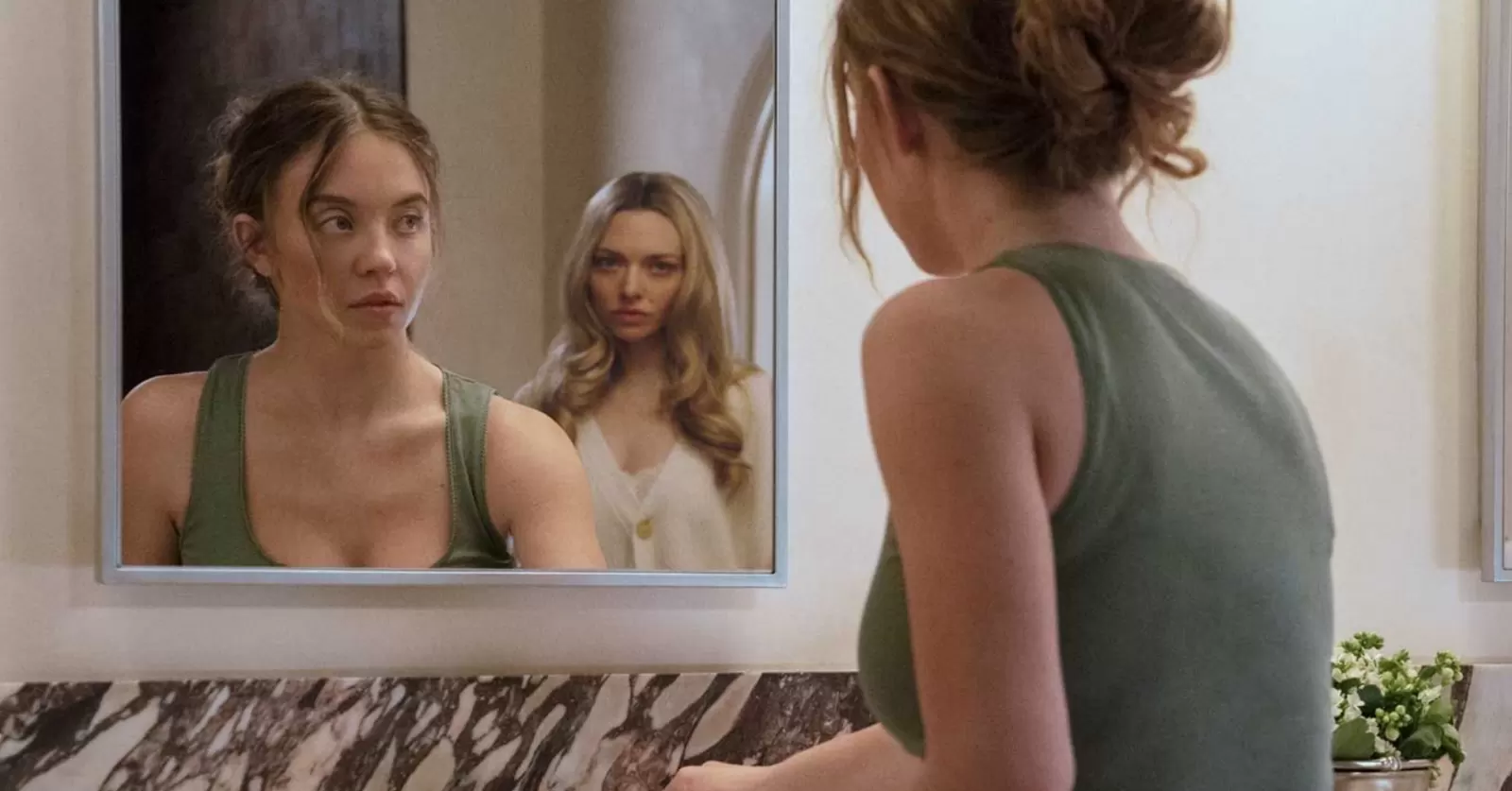
This is where the film’s deeper meaning surfaces: Eun-yi is no longer a person in their eyes. She becomes a variable that must be removed so the family’s image stays intact. The scenes that follow don’t rely on violence as much as psychological pressure. She’s isolated, monitored, cornered. When they force a confrontation in the bathroom one of the film’s most disturbing moments it’s shocking not only because of the cruelty but because of how routine it seems for them. They’ve done this before, or at least prepared for it.
The pregnancy twist exposes the household’s true nature. Everything that looked graceful turns predatory. Every politeness becomes a threat. Every rule in the house is revealed as a cage.
Eun-yi’s Spiral: Not Madness, but Realization
After the attack, Eun-yi doesn’t recover in the way the family expects. They think humiliation will break her. Instead, the humiliation clears her vision. She realizes that no apology, no conversation, no plea for understanding will ever shift the power dynamic. She isn’t fighting individuals. She’s fighting a system built to erase her.
This realization is what drives the final stretch of the story. Her actions seem erratic on the surface, but each one is rooted in clarity. She stops trying to fit in. She stops hoping they will see her humanity. And she begins to consider the only form of agency she has left.
The Ending Breakdown: A Finale Designed to Burn
The final act erupts like a long-suppressed scream. Eun-yi returns to the house not to plead for justice but to deliver a message the family can’t ignore. The climactic scene, where she lights herself on fire in front of them, is staged with brutal elegance. She stands in the middle of the spotless living room, turning the family’s perfectly curated world into the site of their greatest stain.
This act isn’t meant as mere self-destruction. It’s a confrontation. She forces them to witness what they’ve created. She becomes the one thing they can’t control a memory they can’t erase. The image is meant to haunt them, and the film ensures it haunts the viewer too.
The most chilling part is the family’s reaction. They don’t scream. They don’t collapse. They freeze, almost calculating how they’ll clean up this disaster. Only the young girl breaks into tears, and her grief feels like the film’s only authentic response to the tragedy.
The Epilogue: A Symbolic Snapshot of a Broken Cycle
The final sequence jumps forward to a strange, surreal gathering. Hoon, the wife, and the daughter stand outside, celebrating the girl’s birthday. They move through the motions like performers stuck in a scene they’ve rehearsed too many times. The atmosphere feels off, like a dream where emotions don’t match the moment.
The scene works as a mirror. Everything looks normal, but nothing is. The child sings a birthday song with unsettling enthusiasm, calling attention to how the family tries to normalize trauma by pretending it never happened. The shot lingers just long enough to hint that this cycle will continue, with or without Eun-yi. The home remains intact, but the viewer understands that something deep inside it has spoiled.
What the Film Is Really Saying
The Housemaid isn’t just about seduction or revenge. It’s a critique of a hierarchy so rigid that it devours anyone who disrupts it. Eun-yi represents vulnerability, generosity, and the simple desire to belong. The family represents power operating without conscience. Their downfall isn’t shown through collapse; it’s shown through their inability to feel.
By the end, the film isn’t asking the viewer to choose sides. It’s asking them to see how easily cruelty can hide behind manners and wealth, and how a single person pushed far enough can turn into a force that shakes the entire structure.
The story lingers because it doesn’t offer clean answers. It leaves you with the aftertaste of everything unsaid the quiet stares, the forced smiles, the unspoken rules that power uses to preserve itself. The tragedy isn’t only what happens to Eun-yi. It’s that the house never changes.