
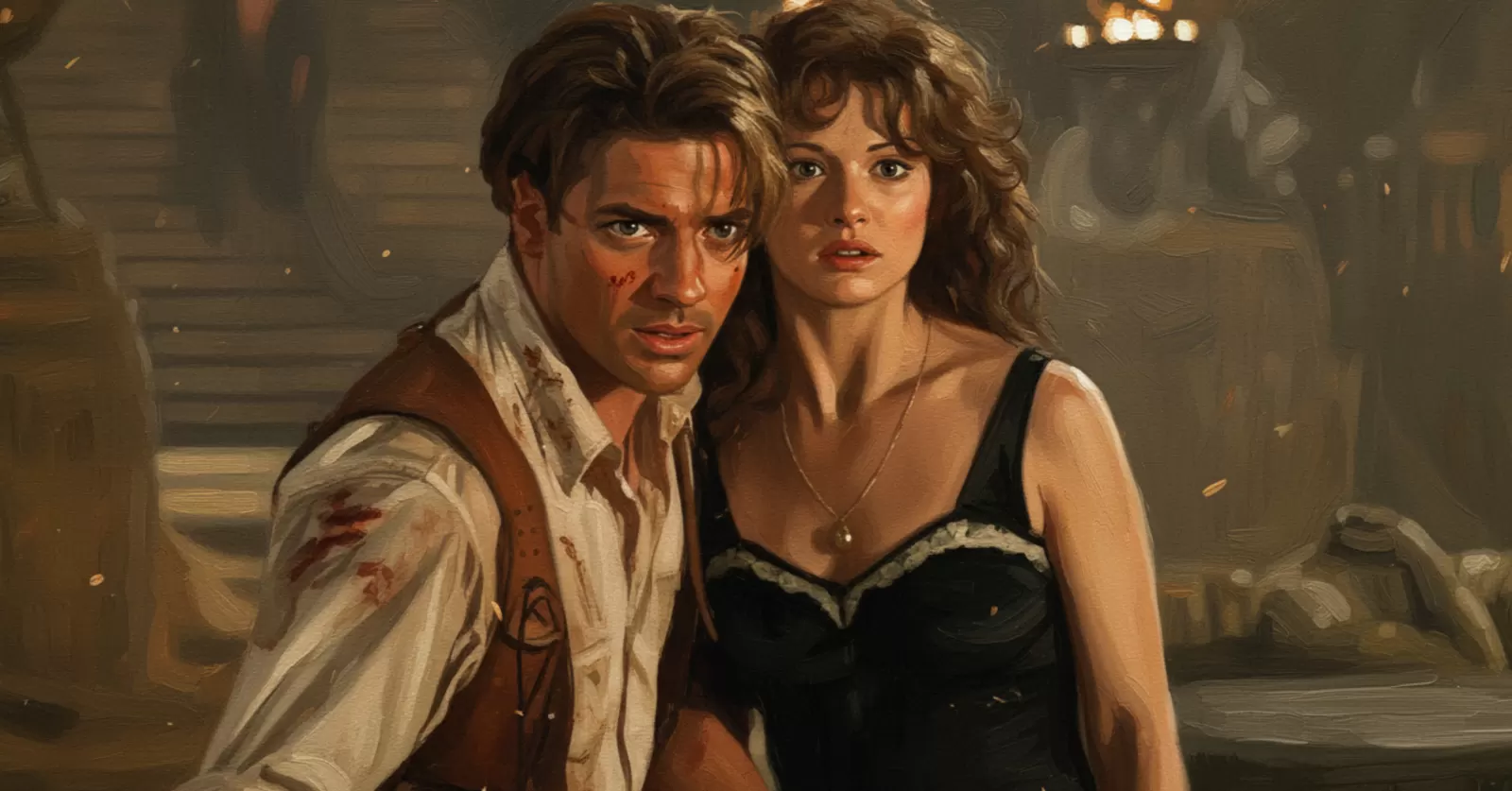
On a late afternoon in a small backlot café, mid-week, I found myself thinking about the odd trajectories careers take in Hollywood. The Mummy, that 1999 summer hit, felt like a relic of a different studio machine: big, slightly goofy, built on stunts and charm. It made stars, launched an unlikely franchise and left a trail of questions. Chief among them for years: why didn’t a proper fourth chapter the one fans whispered about for decades ever materialize for Brendan Fraser and his Rick O’Connell? The answer is not a single fault line but overlapping ones: studio strategy, a misfired reboot, injuries and private traumas that sent Fraser into a long, quiet exile.
How a detour turned into a dead end
The most surface-level reason is the franchise itself veered. After the first two films which struck a certain swashbuckling tone the third entry, Tomb of the Dragon Emperor, relocated the story to China and swapped key cast and thematic beats. Fraser has said that the third film was never the continuation he wanted; decisions were shaped by external forces, including television broadcast deals that nudged the project in odd directions.
That detour didn’t merely disappoint longtime fans; it changed how Universal viewed the property. Instead of a trilogy wrapping up a specific arc, the brand became elastic and elastic is expensive to manage when a studio is chasing franchises.
The Dark Universe experiment, and why it matters
Then came Universal’s attempt to build a monster-verse of its own. The studio pivoted from sequels to a grand, interconnected “Dark Universe.” It placed its bets on a star-driven reboot starring Tom Cruise a glossy, modern take that, on paper, should have worked. In practice it didn’t. The 2017 reboot underperformed and the grand plan collapsed; the failure sent executives back to the drawing board and chilled interest in mid-budget adventure sequels that didn’t promise franchise-level returns. For nearly a decade that freeze prevented a grounded, Fraser-led revival from getting traction.
Studios are pragmatic. When a high-profile experiment loses money and confidence, IP gets shelved, repackaged or repurposed. Ideas that look exciting to fans become complex business problems to suits who must weigh tax incentives, international appeal and the cost of paying a veteran star a proper salary.
Brendan Fraser’s body and the cost of being an action lead
There’s another, more human ledger to balance: the physical toll the original films took on Fraser. Over several years he underwent multiple surgeries knee, back, vocal-cord procedures work that left him more cautious about the type of physical roles he would take on. He’s spoken candidly about near-misses on set, including a moment when a hanging stunt went terrifyingly wrong. Those injuries aren’t Hollywood lore; they’re part of why a high-octane return to full stunt work was never straightforward for him.
That kind of wear and tear changes casting calculus. Even if the creative team wants Fraser, the production must plan for safety, insurance, stunt doubles and often a different scale of second-unit work all of which raise costs and complicate scheduling.
Not just wear and tear: the long, quiet retreat
Beyond the physical, Fraser’s years away were shaped by quieter, darker things. In 2018 he publicly described an alleged sexual assault by a powerful industry figure and the depression that followed. He and several outlets have since connected that episode and the ensuing fallout to a period of professional silence, a time when the phone “stopped ringing” and roles dried up. Whether or not that single event is the sole cause, it was part of a larger stew: divorce, personal caregiving responsibilities, surgeries, and the fragile politics of casting in an industry that can be unforgiving when an actor steps back.
Studios are risk-averse: a lead who is unavailable for months, who requires medical accommodations, or who is invested in a slow, careful comeback, is a different proposition from a bankable up-and-comer who can be leaned on for press tours and late-night TV. Fraser’s choice to step back to recover and parent was smart for him; structurally, it made a fast-tracked franchise return unlikely.
Creative misreads and the magic of timing
There’s also a creative rhythm to franchises. The original Mummy films worked because they balanced scares, comedy and stuntcraft a specific tonal alchemy. When studios chase other formulas (a darker take, a CGI-heavy spectacle, or an all-in shared universe), the alchemy evaporates. The 2017 reboot was criticized for lacking the playfulness audiences loved in the Sommers films, and that criticism helped convince decision-makers that the brand could not be rebooted by firing cannons at it.
In Hollywood timing matters. When an actor’s availability, a writer’s vision and a studio’s plan don’t intersect, a project stalls. For years those elements didn’t line up for a Fraser-centered follow-up. Producers proposed reboots, spin-offs, and even separate monster slates. Each iteration risked erasing the original chemistry rather than honoring it.
Fan hope kept the myth alive
Meanwhile, fans kept whispering and petitioning and making fan edits. The online appetite for "what could have been" the Rick-and-Evelyn continuation from the second film’s cliffhanger never faded. But appetite alone doesn’t greenlight a film. It takes a committed studio strategy, secured rights, a bankable budget and cast buy-in. For a long stretch, that combination was missing.
Why the story is changing now
What’s interesting is how quickly the terrain shifted once Fraser’s profile rose again. A string of critically acclaimed performances, culminating in awards attention and a reshaped public narrative, made him an asset rather than a liability. Studios re-read the market: nostalgia sells, and if you can attach a recognizable, rehabilitated star to a franchise, you reduce the risk. In that sense, the “why it never happened” story is also a “why it might now” story: careers, and studios’ appetites, can change direction.
When the pieces align the right director, the cast willing to return, and a script that promises to restore the tonal voice fans want what was once impossible becomes viable again. That realignment is why conversations about a fourth Mummy moved from rumor to development.
Lessons from the long gap
- IP stewardship matters: When studios lose faith in a property, it can linger in development limbo for years.
- Actors are human ledgers: Physical injuries and personal trauma change careers in visible and invisible ways.
- One failure can ripple: A big reboot flop reshapes risk appetites across an entire studio strategy.
- Nostalgia has limits: Fan desire matters, but it must be matched to a business case.
Those lessons explain not only the Mummy’s long hiatus but why certain revivals land and others don’t. They are about money, yes, but also about empathy and timing: can a production assemble the human and logistical capital required to tell a story responsibly and well?
A note from the set of memory
During my reporting I spoke with a few people who worked on the original films. The recurring theme wasn’t bitterness it was a kind of affectionate regret. “We made something joyful,” one former crew member told me, “and for a long time nobody wanted to make joyful movies like that.” That moment has shifted. Studios now search for balance: a nod to the past wrapped in a modern production that respects both the audience and the people making it.
So the real reason The Mummy 4 with Brendan Fraser didn’t happen sooner is not a scandal or a black-and-white dismissal. It was a slow intersection of business decisions, creative misfires, the physical costs of action filmmaking, and personal upheaval a web of practical realities that kept an obvious story off screens. Time, however, has a way of rearranging those realities. When talent returns, when trust is rebuilt, and when studios remember what made the original sing, projects long considered dead can come back to life.
What remains to be seen is whether the new version the one Fraser says he’s been waiting two decades for will capture the idiosyncratic joy of the originals, or simply be a tidy business fix. Either way, the gap taught a lesson: franchises are fragile creatures. They need careful tending, and sometimes they need the very people who helped build them to come home before the next chapter can begin.
Sources: reporting and archival interviews, including Fraser’s recent reflections on the franchise and the industry’s 2017 reboot strategy; coverage of Fraser’s health and personal disclosures about industry incidents; and studio notices about franchise development.