
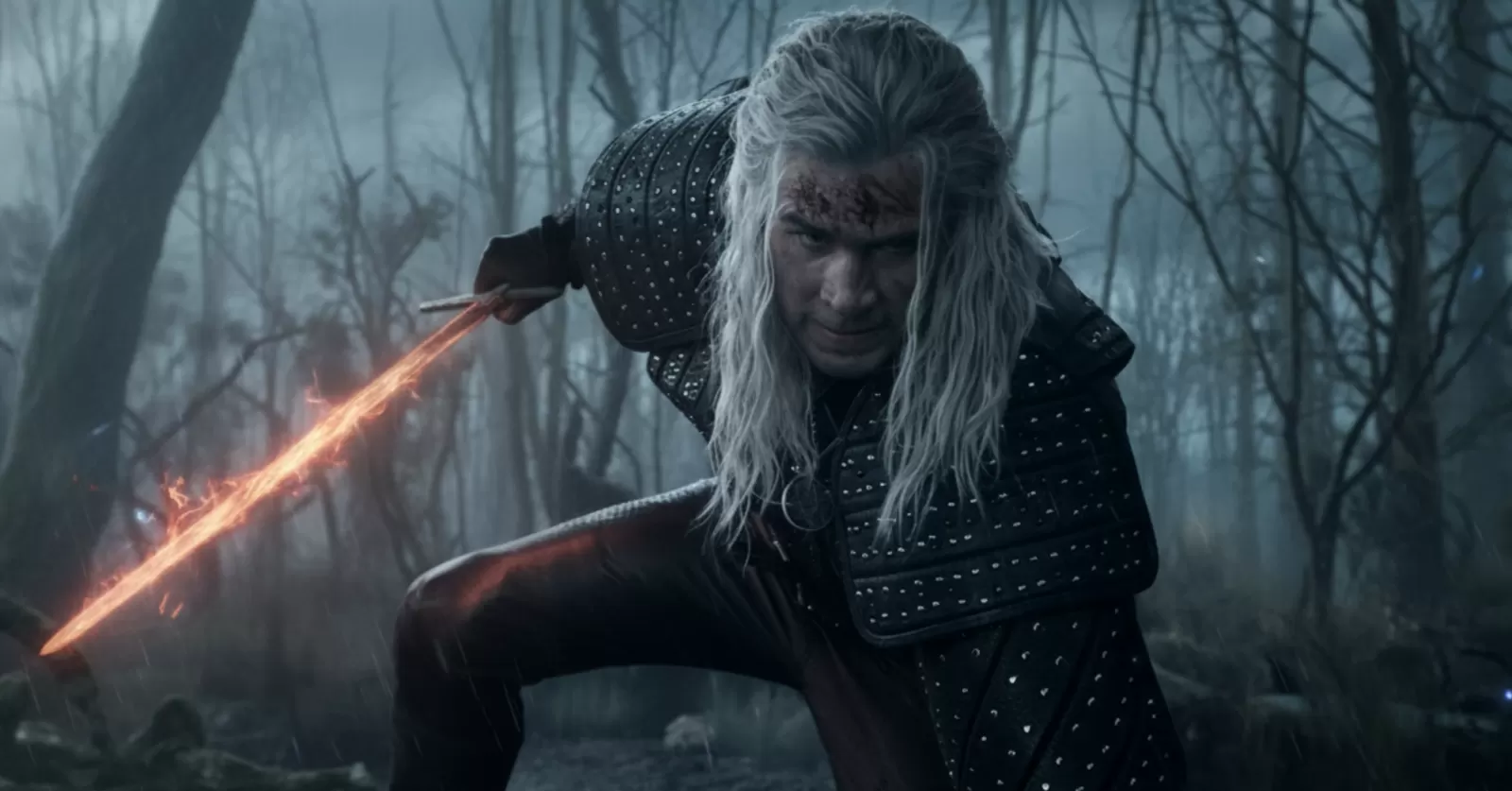
The first real sign something was wrong did not come from a press release. It came from the tone online. A gray London evening, a few cryptic posts, and then the confirmation fans feared: Henry Cavill was leaving The Witcher. The reaction was instant and emotional. Message boards filled with disbelief. Social feeds felt less like commentary and more like grief.
For many viewers, Cavill was not just playing Geralt of Rivia. He embodied the character’s moral weight, restraint, and quiet exhaustion. One fan I spoke with outside a Mumbai comic store put it simply: “You can replace an actor. You can’t easily replace belief.”
Season 4 now approaches with a new lead and an unavoidable question hanging over the series: not why Cavill left, but what his exit changes.
The Shift Viewers Are Really Worried About
The loudest explanations have focused on scheduling, contracts, and official statements. But that conversation misses the deeper concern fans keep circling back to. Cavill’s version of The Witcher felt like a passion project anchored in respect for Sapkowski’s world. His departure raises fears that the show itself is drifting from adaptation into product.
This is where tone matters. Early seasons carried a sense of restraint and seriousness, even when the plotting faltered. Geralt was written as a man weighed down by consequence. If the series pivots further toward spectacle-first storytelling, that balance risks tipping. Lore accuracy is not just trivia to fans. It signals care. When accuracy slips, trust follows.
That trust has already taken a hit. Many viewers felt disappointed not because an actor left, but because it reinforced the feeling that their emotional investment mattered less than brand momentum.
Geralt Without Cavill
Liam Hemsworth steps into a role that comes with unusual baggage. Cavill’s Geralt was physical but inward, a performance built on pauses and restraint. His gravelly delivery and minimalism gave the character gravity.
Hemsworth does not need to imitate that. In fact, trying to would likely fail. What matters is whether the writing allows Geralt to remain morally conflicted rather than emotionally flattened. Recasting can work. Losing the character’s inner logic cannot.
Online reactions have ranged from mockery to cautious optimism. A student I met at a Pune pop culture festival shrugged and said, “If the writing respects Geralt, I’ll adjust. If it doesn’t, no actor can save it.”
A Series at a Crossroads
Season 4 faces a rare test. It must acknowledge change without pretending nothing happened. A meaningful narrative transition, tonal consistency, and emotionally honest character arcs are not optional. They are survival tools.
The fan divide is real. Some welcome experimentation. Others want fidelity. What unites them is the same hope: that the world still has a soul.
Walking through a Bandra bookstore recently, I watched a teenager pick up The Witcher novel and say, “I started reading these because of Cavill.” That impact cannot be measured in ratings alone.
Henry Cavill’s exit closes a chapter that helped turn an ambitious adaptation into a cultural conversation. Whether the story continues with purpose now depends on what the show chooses to value next. If Season 4 treats Geralt as more than an IP asset, viewers may follow. If not, the road ahead will feel much colder.
Editorial note:This article reflects original interpretation and analysis by the Indian Decisions editorial team based on viewing context, public material, and narrative study.