
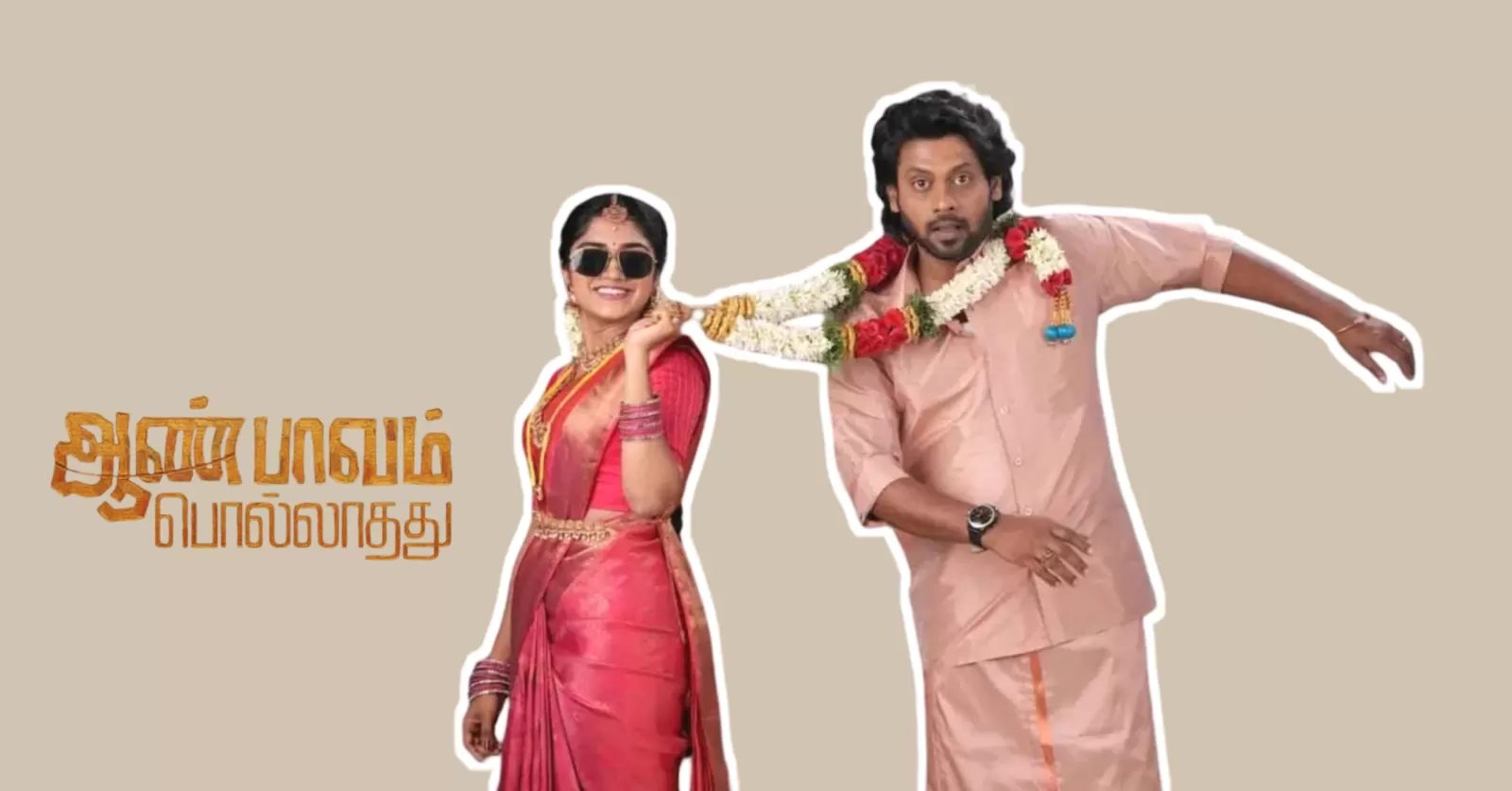
Some films announce their intentions early. Aan Paavam Pollathathu does the opposite. It begins with ordinary moments that barely register as dramatic. Conversations drift. Daily routines repeat. People speak past one another without realizing it. Nothing feels urgent, and that is precisely where the film finds its strength. The tension here is not explosive. It is cumulative.
What slowly takes shape is a portrait of emotional exhaustion. Not caused by cruelty, but by expectation. The film watches its characters carefully, allowing discomfort to grow in the gaps between what is said and what is avoided. By the time the story reveals its deeper concerns, the audience has already been living inside them.
The Story as It First Appears
At a surface level, Aan Paavam Pollathathu presents itself as a modest family drama with touches of humor and misunderstanding. A household navigates routine conflicts, generational differences, and small personal frustrations. Conversations circle familiar ground. Arguments begin and dissolve without resolution. To a casual viewer, the film may seem content to simply observe everyday domestic life.
There is no obvious antagonist. No dramatic turning point early on. Instead, the story moves quietly, suggesting that its conflicts are minor and manageable. This initial impression is deliberate. The film wants its audience to underestimate what is unfolding.
What the Film Is Actually Examining
Beneath its understated surface, the film is deeply concerned with pressure. Not overt pressure, but the kind that accumulates over time. Expectations placed without discussion. Responsibilities assumed without consent. Emotional labor distributed unevenly, then treated as natural.
The film pays close attention to how misunderstandings harden into roles. Once someone is labeled dependable, they are rarely asked how much they can carry. Once someone is seen as difficult, their concerns are dismissed before they are fully heard. These patterns repeat quietly, becoming invisible through familiarity.
What makes the film effective is its refusal to dramatize this pressure artificially. There are no grand confrontations. Instead, it shows how silence can be just as heavy as conflict. The title itself feels like an observation rather than a judgment, hinting at how easily people accept discomfort as normal.
The film’s gentle humor and emotional restraint align it with Andondittu Kaala, and share thematic intimacy with Vala, where expectations quietly shape lives.
How Misunderstanding Becomes a Habit
One of the film’s most striking choices is how rarely characters truly listen to one another. Conversations happen, but they rarely connect. People respond to what they expect to hear rather than what is actually being said. This creates a quiet cycle of miscommunication.
The film suggests that misunderstanding is not always accidental. Sometimes it is convenient. Acknowledging someone’s discomfort would require change. Avoiding that acknowledgment allows routines to continue uninterrupted.
Over time, these missed connections begin to feel intentional, even when no one consciously means harm. The film captures this ambiguity with restraint, refusing to assign easy blame.
A Scene That Shifts the Emotional Weight
There is a scene late in the film that subtly alters how everything before it is understood. It is not loud or dramatic. Instead, it is marked by exhaustion. A character reaches a point where explanation feels pointless.
What makes this moment powerful is its honesty. There is no demand for understanding, only an admission of fatigue. The film allows the scene to breathe, trusting the audience to feel the weight of everything that led here.
From this point on, the earlier moments of humor and lightness take on a different tone. What once seemed benign now feels neglectful. The shift is emotional rather than narrative, and it lingers.
The Character at the Center
One character quietly anchors the film. Their desire is simple: to be seen accurately. Not praised, not rescued, just understood. Yet their behavior consistently works against this goal.
They avoid confrontation, choosing compliance over clarity. Each compromise feels small, even reasonable. Over time, these compromises erase their own needs from the conversation. The film treats this pattern with compassion rather than critique.
What the character never says matters more than what they do. The fear of being perceived as difficult. The worry that asserting themselves will disrupt fragile harmony. The film recognizes how deeply ingrained these fears can be.
The Role of Family Dynamics
Family in Aan Paavam Pollathathu is neither villain nor refuge. It is a structure that provides stability while quietly enforcing conformity. The film shows how love can coexist with limitation.
Older generations speak from habit. Younger ones learn to navigate expectations without fully questioning them. The film avoids generational blame, instead focusing on how patterns persist when they go unexamined.
This approach gives the story emotional credibility. It feels observed rather than constructed.
Why the Film Feels So Familiar
The resonance of Aan Paavam Pollathathu lies in its familiarity. Many viewers will recognize the unspoken rules, the emotional shortcuts, and the quiet endurance on display. The film does not rely on topical references or overt commentary.
Instead, it taps into a universal experience. The moment when maintaining peace begins to feel heavier than conflict. The realization that silence, once protective, has become a burden.
By staying grounded, the film allows its themes to emerge naturally.
Where Audiences May Respond Differently
Some viewers will appreciate the film’s patience. They will find meaning in its restraint and honesty. The lack of overt drama will feel truthful.
Others may struggle with its quietness. Without clear resolutions or dramatic turns, the story may feel incomplete. This response is understandable. The film asks for attention to nuance rather than payoff.
Neither reaction is wrong. The film is comfortable with ambiguity.
A Thought That Lingers
When Aan Paavam Pollathathu ends, nothing is fully resolved. Life continues much as before. Yet something has shifted. Awareness has replaced denial, even if action has not yet followed.
The film leaves viewers with a gentle but unsettling question: how much discomfort do we accept simply because it feels familiar? And at what point does endurance become its own form of harm?
Editorial note: This article presents original analysis by the Indian Decisions editorial team, focusing on emotional subtext, family dynamics, and narrative restraint.