
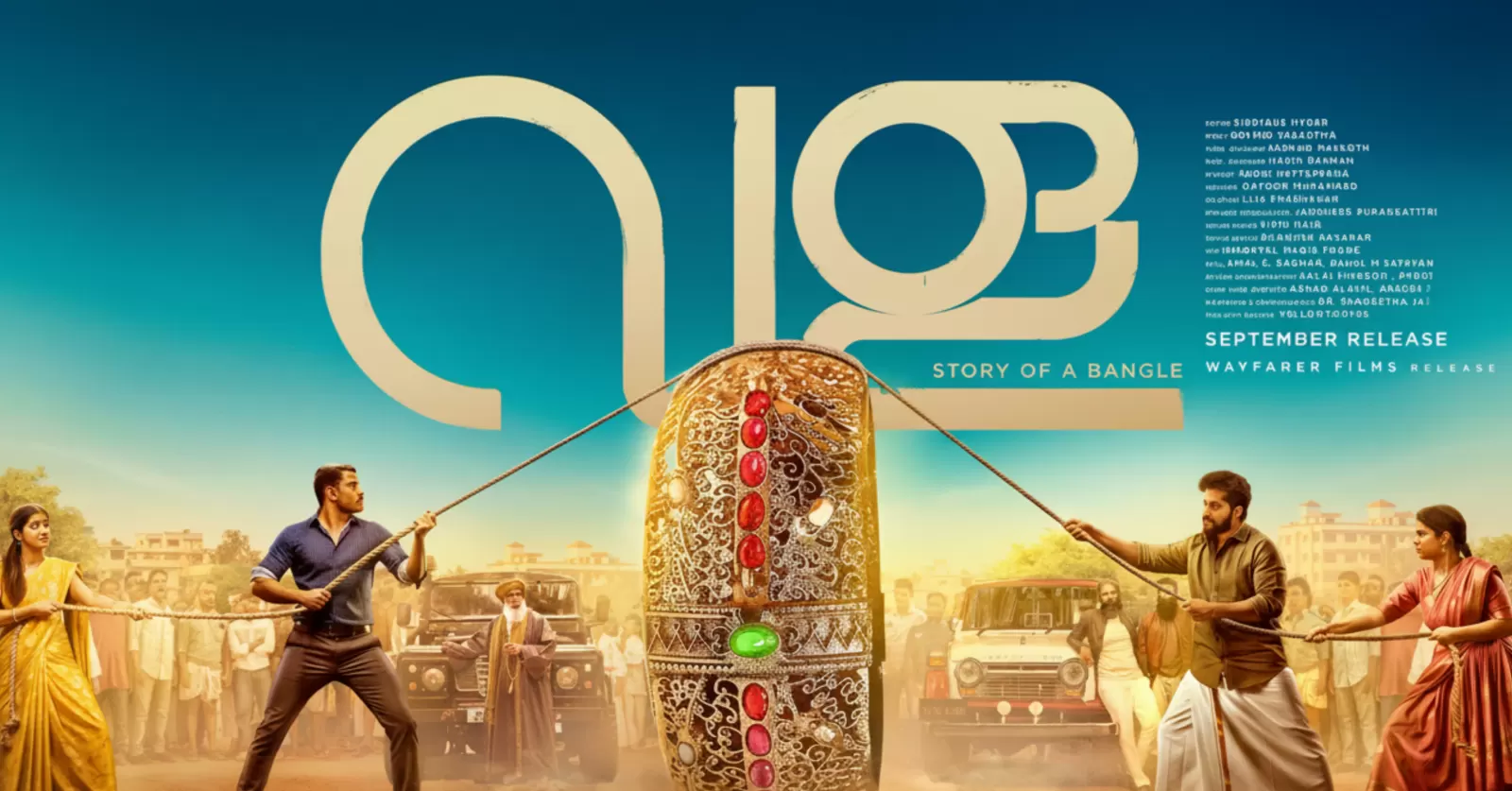
In Vala, the most important character does not speak, argue, or demand attention. It rests quietly on a wrist. A single bangle moves through the film like a memory that refuses to fade, absorbing touch, absence, and intention along the way. The story never rushes to explain why this object matters. Meaning accumulates slowly, through repetition and restraint.
The film’s power lies in how little it insists on immediate understanding. Instead of guiding the viewer with overt symbolism, Vala trusts patience. It understands that objects become significant not because of what they are, but because of what people place inside them. What unfolds is not just a narrative about tradition or inheritance, but about how personal choice is shaped by what we carry, willingly or not.
The Story as It First Appears
On the surface, Vala presents itself as a modest drama centered on a family and a seemingly simple heirloom. The bangle moves between generations, tied to moments of obligation, expectation, and emotional inheritance. Characters respond to it differently. Some treat it as continuity, others as burden.
Viewed casually, the film may seem like a familiar cultural narrative about tradition and responsibility. An object holds sentimental value. Family tensions surface around it. Decisions are influenced by what it represents. The plot unfolds gently, without dramatic turns or confrontation, inviting observation rather than anticipation.
What the Film Is Truly Examining
Beneath its restrained storytelling, Vala is deeply concerned with how meaning transfers across time. The bangle holds no inherent power. Its weight comes from accumulated expectation. Every hand that wears it adds another layer of interpretation.
The film repeatedly asks whether inheritance is something we accept or something we negotiate. Tradition is neither oppressive nor sacred here. It is ambiguous. The bangle becomes a quiet test. Does honoring the past require replication, or can respect coexist with change?
This question echoes across the characters’ lives. Choice is never framed as rebellion. Instead, the film shows how choosing differently often carries guilt, even when it feels necessary. The bangle becomes a physical reminder of unresolved emotional contracts.
In this way, Vala aligns with intimate Indian narratives such as Andondittu Kaala and Aan Paavam Pollathathu, films that explore how quiet expectation shapes identity more than open conflict.
The Scene That Shifts the Meaning
There is a moment in Vala when the bangle changes hands without ceremony. No music signals importance. No dialogue explains the emotion. The camera lingers just long enough for discomfort to surface.
What makes this scene transformative is restraint. The act is small, but it unsettles the assumed permanence of tradition. The transfer feels incomplete, almost hesitant, as if certainty itself has been interrupted.
From this point onward, the film’s tone subtly shifts. The bangle no longer feels fixed. It becomes a question. Meaning is no longer inherited automatically. It must be chosen, accepted, or quietly refused.
Seeing the Story Through One Character
One character becomes the film’s emotional anchor, not through dramatic expression, but through hesitation. What they seek is clarity. Not approval or rebellion, but the freedom to decide without inherited guilt.
What they avoid is confrontation. Speaking openly would force others to articulate expectations they prefer to leave unspoken. Silence becomes a coping strategy. Obligation is managed through delay, through hope that clarity will arrive on its own.
This conflict is never resolved neatly. The film understands that some choices remain suspended because resolving them would require reshaping relationships. This emotional realism gives Vala its quiet credibility.
Why the Film Feels Deeply Familiar
Vala resonates because it reflects an experience many recognize but rarely name. Carrying something that once mattered deeply to someone else. Fearing disappointment from people no longer present to explain their expectations.
Tradition is not treated as static. The film shows how it shifts with each generation. What once felt comforting can grow heavy. What once felt binding can become negotiable.
This emotional truth places Vala alongside films like Tere Ishq Mein, where emotional inheritance continues to shape present behavior long after its origins fade.
Where Viewers May Disagree
Some viewers find Vala deeply affecting because of its minimalism. They appreciate how meaning emerges organically, without instruction.
Others may find the film frustratingly opaque. The absence of resolution or overt explanation can feel withholding, especially for those expecting closure.
Both responses stem from the same choice. The film observes rather than explains.
A Closing Reflection
Vala ultimately asks a quiet question: what do we owe the past, and what do we owe ourselves? The film offers no single answer. It understands that answers shift depending on who is holding the object.
The bangle remains. Changed by touch, by absence, by choice. Meaning, the film suggests, is not preserved by holding tighter. It survives by being reinterpreted.
Editorial note: This article reflects original interpretation and analysis by the Indian Decisions editorial team, based on narrative study and viewing context.