When the Noise Finally Disappears
About halfway through Weapons, the film makes a strange and deliberate choice. The noise recedes. Not only the score, but the emotional urgency that usually pushes horror forward. Characters stand in place, suspended in the aftermath of something they cannot yet define. There is no jump scare waiting to release the tension. No explanatory dialogue to steady the audience. The camera remains still, observing rather than guiding.
This moment feels heavier than any act of violence shown earlier. The film understands that fear does not always need momentum. Sometimes fear grows strongest when nothing moves at all. Weapons invites the viewer into that discomfort and refuses to offer relief. Silence is no longer a pause between scares. It becomes the environment itself.
The Story It Appears to Be Telling
On its surface, Weapons looks like a fragmented horror mystery. A disturbing incident ripples through a small community, and the narrative unfolds through multiple perspectives. Each character seems to hold a piece of the truth, yet no version feels complete. Accounts overlap, contradict, and quietly destabilize one another.
This structure suggests a familiar promise. Viewers expect the story to eventually align into clarity. They wait for the revelation that will connect every fragment into a single explanation. Early scenes encourage that expectation, presenting information as if it is leading somewhere definitive. But as the film progresses, it becomes clear that coherence is not the destination. Disorientation is.
What the Film Is Really Examining
Beneath its mystery framework, Weapons is fundamentally a film about control and the quiet panic that follows when control begins to fail. Every major character believes they are managing the situation in their own way. Parents rely on vigilance. Authority figures trust procedure. Outsiders assume emotional distance will protect them.
None of these strategies hold. Rules are spoken confidently and then ignored when fear intensifies. Plans are announced and quietly abandoned. Authority continues to speak, but reassurance never arrives. Control exists only as performance, not effectiveness. This thematic tension echoes the power dynamics explored in One Battle After Another, where authority depends more on appearance than action, and The Housemaid, which reveals how silence itself can become a tool of harm.
By denying any single perspective dominance, Weapons removes the illusion that truth belongs to someone in charge. The camera observes from a distance. It never comforts the audience with certainty. The absence of narrative leadership mirrors the emotional instability of the characters themselves.
The Conversation That Arrives Too Late
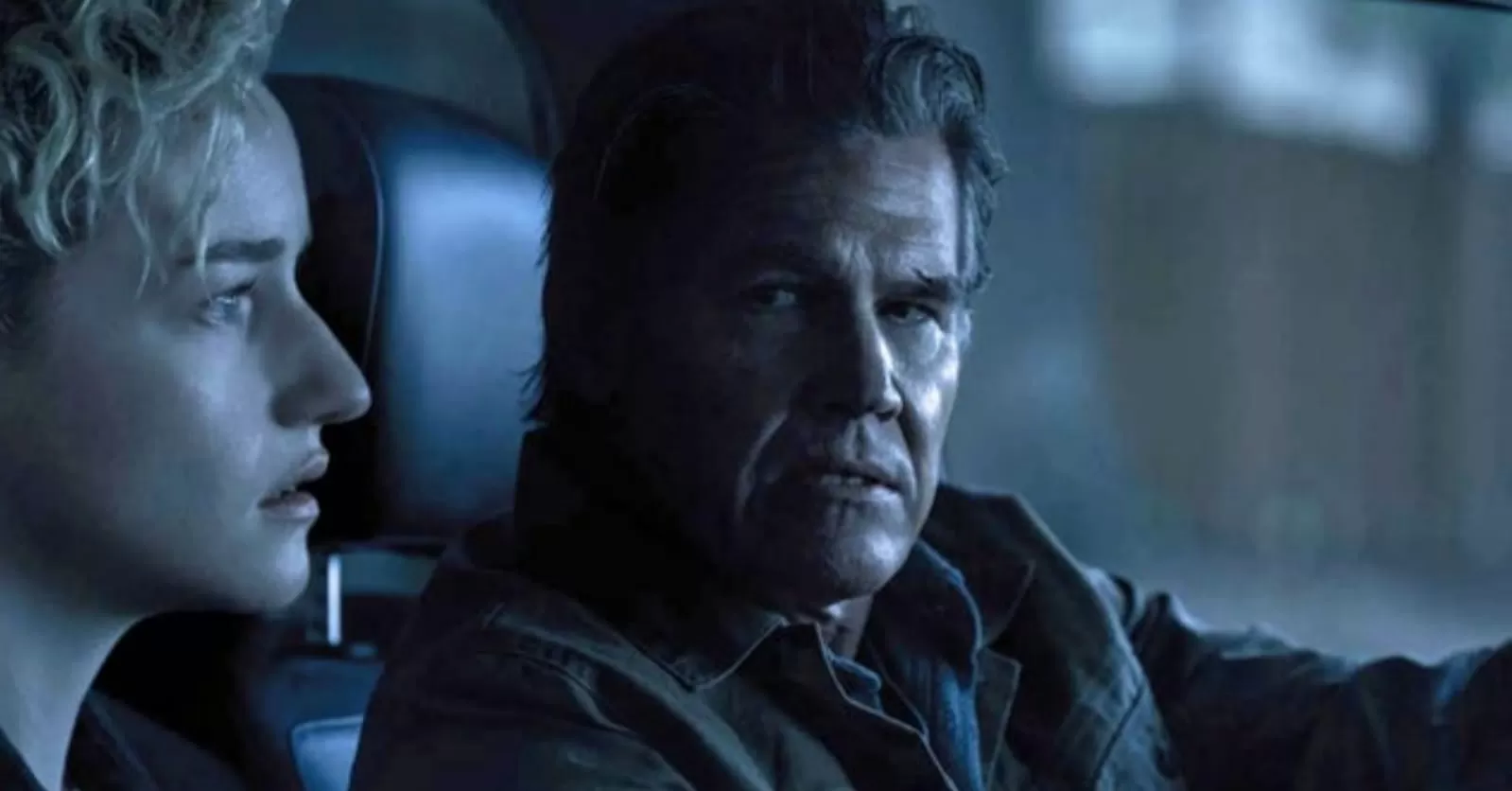
Late in the film, a conversation unfolds that quietly reframes everything that came before it. It is not visually dramatic. There is no raised voice or sudden revelation. Two characters finally speak honestly after avoiding that honesty for far too long. Their words are restrained, almost ordinary, but the emotional weight is unmistakable.
What matters most is the lack of consequence that follows. No solution emerges. No damage is undone. The moment exposes how fear has already been shaping decisions from the shadows. The realization arrives too late to restore anything. This emotional pivot resembles moments in Shelter and The Girlfriend, where delayed truth becomes its own form of loss.
The film does not frame this delay as moral failure. It treats it as human behavior. Fear does not always manifest as panic. Sometimes it appears as hesitation, politeness, or the hope that silence will keep consequences at bay.
A Character Defined by Avoidance
One central character carries much of the film’s emotional tension. Their desire is simple. They want stability. Not justice. Not understanding. Just a return to a version of life that feels manageable. Every decision they make is shaped by that desire, even as reality steadily undermines it.
This character avoids naming the problem directly. Conversations are redirected. Concerns are minimized. Silence becomes a tactic rather than a void. The film treats this avoidance with empathy. It recognizes how often people mistake calm behavior for competence, especially when others are watching and expectations are high.
What remains unspoken becomes more revealing than anything said aloud. The unacknowledged fear is not just of the threat itself, but of personal inadequacy. Of realizing too late that preparation was never enough.
Why the Film Feels Unsettlingly Familiar
Weapons resonates because it reflects an anxiety that extends beyond genre. The fear that systems we trust may not respond when pressure arrives. Meetings continue. Protocols remain intact. Reassurances are repeated with confidence. Yet nothing truly improves.
This emotional texture connects the film to stories like Champagne Problems and The JSK Case, where composure masks fracture and certainty erodes quietly rather than explosively.
The horror here does not rely on spectacle. It emerges from recognition. The uncomfortable sense that fear often thrives not because danger is unseen, but because it is acknowledged too late.
Why the Film Divides Its Audience
Some viewers connect deeply with Weapons because of its restraint. The refusal to explain everything feels honest. Fear remains unresolved because life rarely offers clean conclusions. For these viewers, discomfort is not a flaw but the point.
Others feel distanced by that same approach. The absence of clear answers can feel withholding rather than thoughtful. Expectations shaped by traditional horror storytelling are deliberately denied. Neither response is wrong. The film does not seek consensus. It invites personal interpretation.
A Quiet Ending That Refuses Closure
When Weapons ends, what lingers is not the mystery but the silence it leaves behind. Not the silence of missing information, but the silence of recognition. The realization that control may never have existed in the first place.
The film’s most unsettling question is also its quietest. When fear arrives and certainty disappears, what do we reach for instead, and who do we become in that space?
Editorial note: This article reflects original interpretation and analysis by the Indian Decisions editorial team based on narrative study and thematic evaluation.