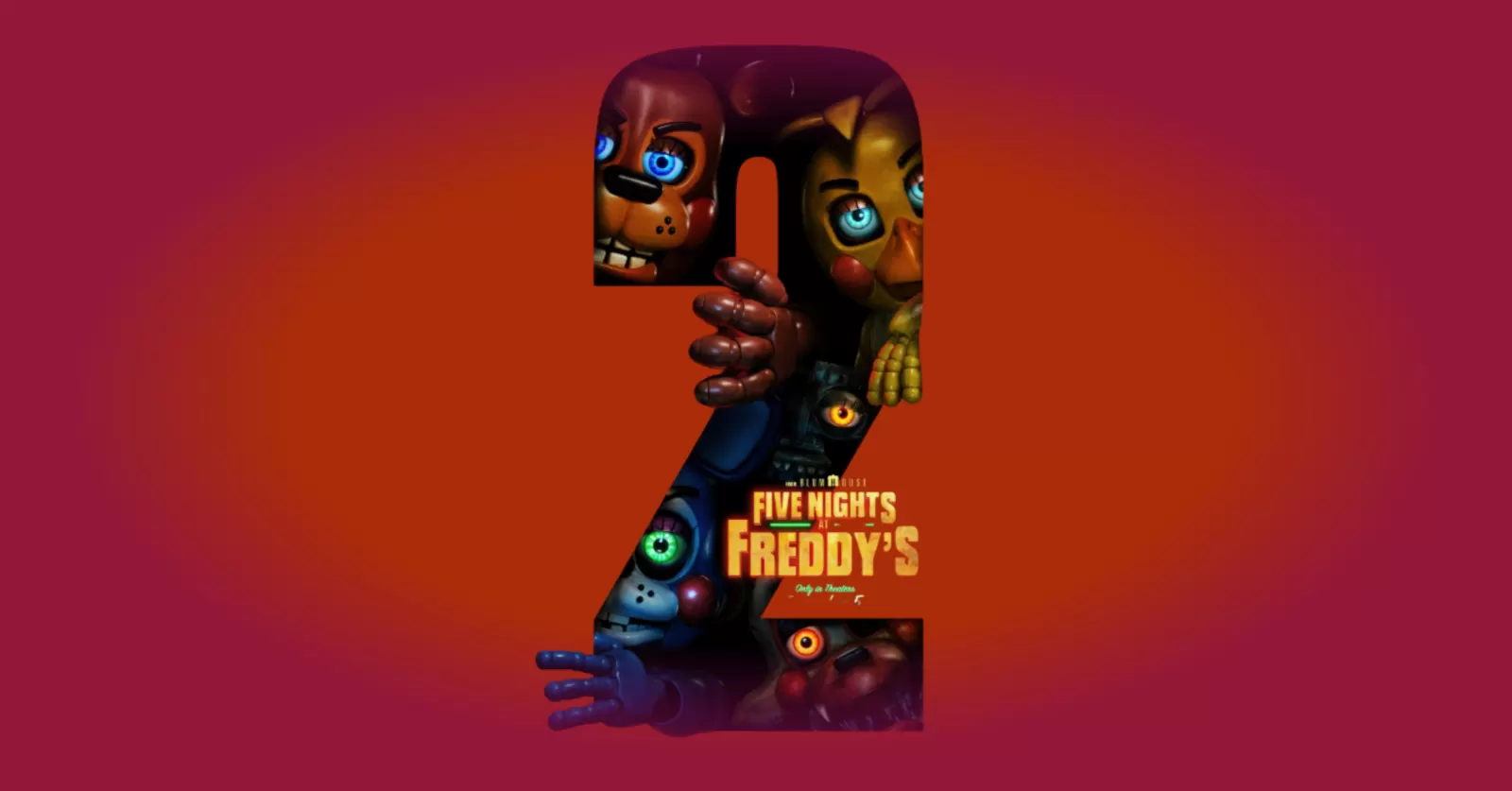
Five Nights at Freddy’s 2 Review: Responsibility, Memory, and Quiet Horror
What makes Five Nights at Freddy’s 2 unsettling is not how loudly it screams, but how patiently it waits. The film opens in a space already charged with memory. The building feels used, watched, and aware of its past. Nothing rushes toward the audience. Instead, dread seeps in slowly, built from repetition, routine, and the sense that something unresolved is still paying attention.
Rather than escalating immediately, the film asks viewers to notice small disturbances. A sound that should not be there. A pause that lasts too long. A rule that suddenly feels unreliable. Horror arrives not as shock, but as recognition.
The Story on the Surface
At a basic level, Five Nights at Freddy’s 2 follows a familiar framework. A guarded space. A caretaker role. A set of rules meant to maintain order through the night. Strange events follow a predictable rhythm, pushing the protagonist toward confrontation with the building’s dark history.
For many viewers, this reads as a sequel expanding its mythology. More secrets. Higher stakes. A deeper dive into what came before. The structure suggests escalation, with danger growing each night and survival becoming more fragile.
But the film’s real interest lies elsewhere.
The Core Theme: Responsibility Without Closure
Beneath its horror mechanics, Five Nights at Freddy’s 2 is a story about responsibility inherited rather than chosen. The characters are not trying to fix the past. They are trying to manage it. That distinction matters.
The film repeatedly shows systems designed to contain damage instead of addressing it. Rules exist to prevent chaos, not to heal what caused it. Every instruction feels reactive, built to keep something dormant rather than understood.
This creates moral tension. Responsibility becomes a burden passed down through roles, jobs, and routines. No one feels empowered. They feel obligated. The horror comes from realizing that maintaining order may be prolonging harm.
Rather than relying on spectacle, the film’s quiet dread connects strongly with Stranger Things Season 5, while its obsession with memory mirrors the emotional weight carried in Dude.
Memory as an Active Force
Memory in this film is not static. It does not stay buried. It watches, waits, and responds. The animatronics feel less like characters and more like vessels, shaped by what they carry rather than what they do.
The film treats memory as a presence that resents neglect. The more the characters avoid acknowledging the past, the more intrusive it becomes. Sounds repeat. Movements echo. Patterns refuse to fade.
This framing shifts the horror away from jump scares and toward inevitability. The past does not need to attack. It only needs to remain unresolved.
A Scene That Reframes the Fear
Midway through the film, there is a moment when the protagonist pauses, not because of immediate danger, but because something feels wrong despite everything appearing normal. Lights are steady. Systems are operational. Yet the atmosphere feels heavier.
Nothing attacks. No chase begins. Instead, the character realizes that the rules they have been following may be part of the problem. The safety measures feel performative, designed to reassure rather than protect.
This scene reframes the threat. The danger is not only what moves in the dark. It is what has been normalized.
The Human Cost Behind the Horror
Unlike many horror sequels, Five Nights at Freddy’s 2 pays close attention to emotional exhaustion. The characters are not brave in a traditional sense. They are tired. Signs of strain appear long before physical danger peaks.
Sleep deprivation, isolation, and constant vigilance erode judgment. The film allows these effects to surface gradually. Mistakes are small but cumulative. Reactions slow. Confidence thins.
This human fragility grounds the supernatural elements. Fear does not overwhelm suddenly. It wears people down.
Why the Film Feels Heavier Than Its Predecessor
While the first film focused on discovery, the sequel focuses on inheritance. The mystery is no longer whether something is wrong, but how long it has been allowed to continue.
The tone is more somber. Humor is minimal. Even moments of relief feel temporary. The building does not reset. It remembers.
As a result, the horror feels cumulative. Each night adds weight rather than excitement.
Where Viewers May Be Divided
Some audiences will appreciate this restraint. They find the slow burn more immersive and emotionally unsettling. The film’s refusal to explain everything creates space for interpretation.
Others may feel frustrated by the lack of explicit answers. Viewers expecting faster pacing or clearer mythology may see the film as withholding.
The division reflects different expectations of horror. This sequel is less about adrenaline and more about unease.
The Question It Leaves Behind
As Five Nights at Freddy’s 2 concludes, the sense of danger does not disappear. The systems remain. The routines continue. Responsibility shifts again.
What lingers is a troubling thought. If maintaining order means keeping wounds hidden, at what point does responsibility become complicity?
The film does not answer directly. It leaves the audience with the discomfort, long after the final night ends.
Editorial note: This article reflects original analysis by the Indian Decisions editorial team, focusing on thematic interpretation, emotional pacing, and narrative design.